Rotary Airlock Valve
Precision Material Handling Solution
Precision Material Handling Solution


| Model | Diameter | Motor Power (H.P.) | RPM |
|---|---|---|---|
| 6" | 6 inches | 0.5 H.P. | 50–60 |
| 8" | 8 inches | 1 H.P. | 50–60 |
| 10" | 10 inches | 1–2 H.P. | 50–60 |
| 12" | 12 inches | 2–3 H.P. | 50–60 |
Note: Motor power may vary based on material density and application. Contact us for precise specifications.

High Filling Efficiency: Optimized inlet design and tight clearances ensure maximum material capture and minimal leakage.
Low Power Consumption: Energy-efficient motors (0.5–3 H.P.) reduce operational costs.
Robust Design: Durable construction withstands demanding industrial environments.
Airtight Operation: Prevents air leakage, maintaining system pressure or vacuum for efficient material handling.
Versatile Models: Available in sizes 6", 8", 10", and 12" to suit various throughput requirements.
Material Selection: Choose Mild Steel or Stainless Steel 304/316 (contact parts or fully) for durability or hygiene.
Liquid Spray Arrangement: Add liquid dosing systems for wet-dry blending applications.
Heating/Cooling Jacket: Outer jacket for temperature-controlled mixing.
Layout Customization: Special modifications to fit specific production layouts.
Tilting Mechanism: Available for smaller models (VRB100, VRB150) for easy discharge.
Mild Steel: Offers a cost-effective, durable option for general industrial applications, suitable for non-corrosive materials.
Stainless Steel 304/316: Provides corrosion resistance and hygiene, ideal for food, pharmaceutical, and chemical industries, with contact parts or fully stainless options available.
GMP Grade: Fully GMP-compliant designs ensure compliance with stringent regulatory standards for pharmaceutical and food applications.
Vilnesh International offers tailored solutions to meet specific needs:
Material Selection: Choose Mild Steel or Stainless Steel 304/316 (contact parts or fully) for durability or hygiene.
Rotor Types: Options include open-end, closed-end, shallow-pocket, or adjustable-tip rotors for specific material characteristics (e.g., sticky or abrasive powders).
Coatings: Anti-friction or abrasion-resistant coatings (e.g., Teflon, ceramic) for handling sticky or abrasive materials.
Flange Design: Circular or square flanges to match existing equipment.
ATEX Certification: Explosion-proof designs for handling combustible materials in hazardous environments.

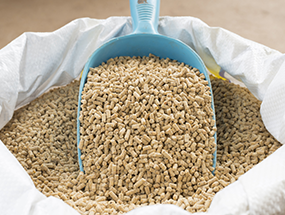





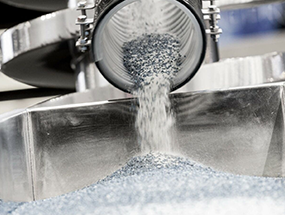


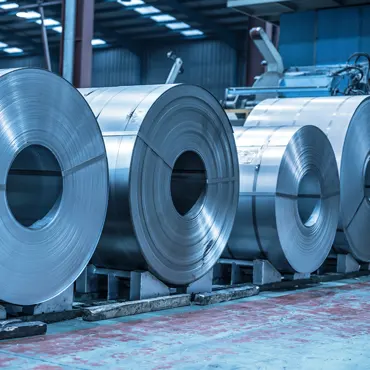

A Vilnesh Rotary Airlock Valve is a compact mechanical device designed to control the discharge of dry powders and granules from storage silos, hoppers, or cyclones while maintaining an airtight seal to prevent air leakage in pneumatic conveying or dust collection systems. Essential for industries such as food processing, pharmaceuticals, chemicals, and agriculture, it ensures precise material flow without compromising system pressure or vacuum. Available in models ranging from 6" to 12" diameter, it is a critical component for efficient and reliable bulk material handling.
The Vilnesh Rotary Airlock Valve regulates material flow while maintaining system pressure. Here’s a step-by-step explanation of its operation: